
Inventory liquidation
Nationwide Inventory Liquidation & Excess Inventory Buyers
Centerpoint Industries purchases excess inventory, overstock, customer returns, closeouts and surplus commercial goods from retailers, manufacturers, distributors, wholesalers and 3PLs nationwide. We evaluate outright purchases, revenue share and recurring recovery programs around the inventory you need to move.
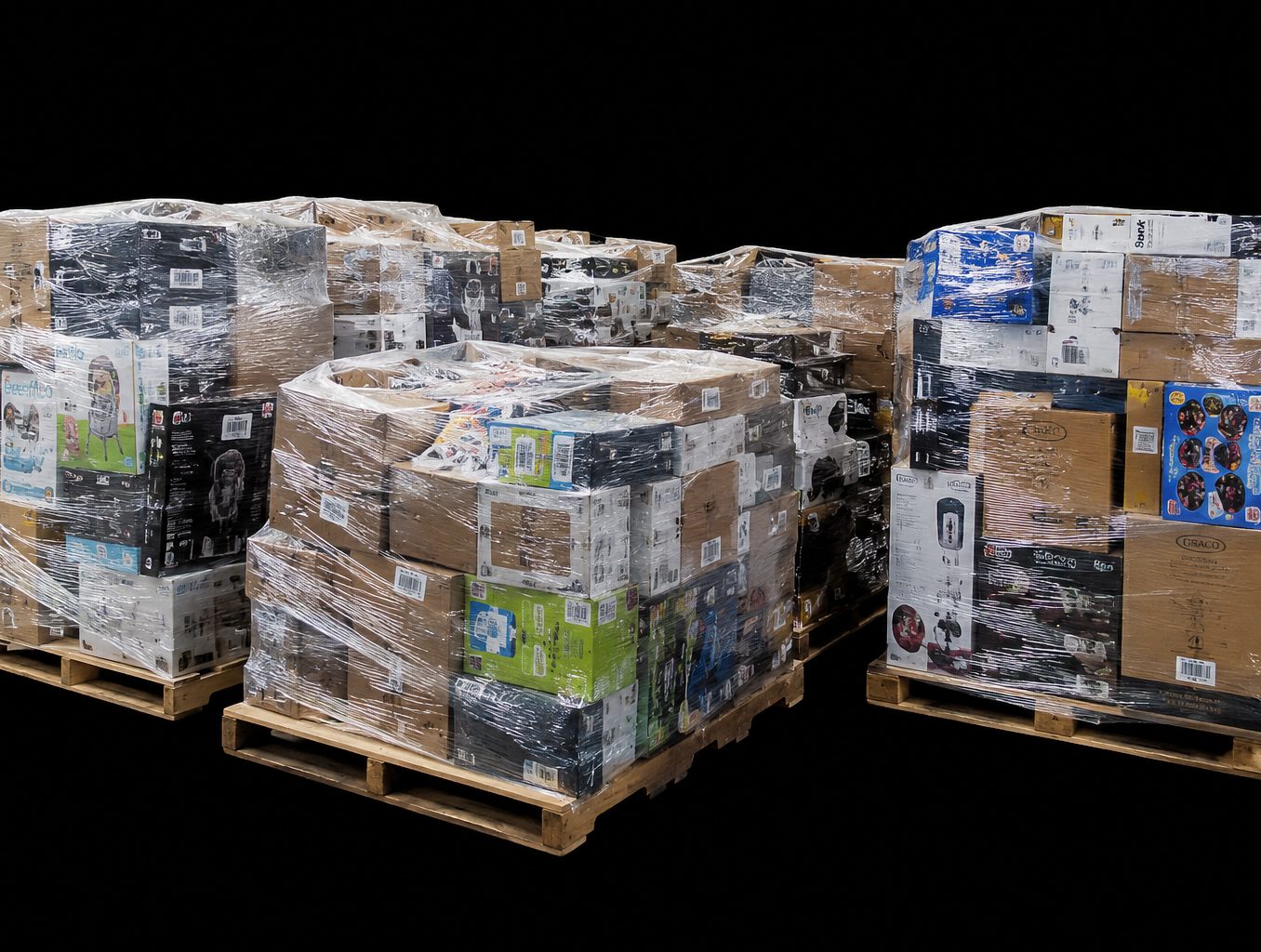
Inventory opportunities
Clear space. Recover value. Plan the next move.
From a single closeout to an ongoing returns stream, we evaluate inventory and match it with practical recovery channels.
Choose the right structure
An offer built around the opportunity.
Outright purchase
We evaluate the inventory and make a lump-sum offer based on condition, quantity, market demand and logistics. Best when you want a simple transaction and immediate liquidity.
Revenue share
We remarket the inventory and share recovered proceeds under agreed terms. Best when the goal is the highest total recovery.
Recurring programs
Monthly, bi-monthly or quarterly disposition for businesses with consistent inventory flows. Best when excess inventory is a regular event.
Who we buy from
Built for the businesses that hold inventory.
Brands & manufacturers
Discontinued lines, packaging changes, excess production and returned goods.
Retailers
Customer returns, shelf pulls, seasonal carryover and store closure inventory.
Distributors & wholesalers
Slow-moving stock, surplus SKUs and cancelled orders.
3PLs & fulfillment centers
Abandoned client inventory, unpaid-storage stock and warehouse space recovery.
Sell excess, overstock and closeout inventory
Inventory liquidation creates a practical exit for stock that no longer fits your normal sales channel. A packaging change, cancelled order, discontinued product line or seasonal carryover can leave valuable goods occupying space while storage and handling costs continue. Centerpoint reviews the merchandise, its condition and the cost of moving it to identify a workable recovery option. An inventory review is the starting point; offers and resale restrictions are agreed before a load moves.
You do not need to prepare every detail before contacting us. Start with the product category, approximate quantity, location and current condition. A SKU-level manifest and clear photos help us evaluate the lot more accurately. Explain whether the goods are new, shelf pulls, untested returns, damaged packaging or a mixture. These differences matter more than a single original retail-value figure.
Inventory categories we evaluate
Overstock and discontinued products
Surplus production, slow-moving SKUs, cancelled orders and closeout merchandise can be evaluated as single lots, palletized inventory or truckloads. Tell us about shelf life, packaging changes and any resale-channel restrictions.
Customer returns and mixed-condition lots
Returns need a clear condition description. Separate known-working, untested and damaged goods where practical, and share any available return codes or grading information. Recurring flows can fit a reverse logistics program.
Apparel, footwear and home goods
Broken-size assortments, seasonal merchandise and discontinued styles benefit from quantities by SKU, size or category. Photos of packaging and representative items help explain the assortment.
Appliances, tools and industrial products
Provide make, model, quantity and condition, plus known defects or missing components. For large or heavy equipment, include dimensions, loading access and any handling requirements.
Electronics and commercial technology
Consumer-electronics inventory and retired company IT equipment need different reviews. For computers, servers or devices that hold data, start with our IT asset disposition and electronics recycling service.
Abandoned inventory and freight
A 3PL or warehouse may need space back while ownership, storage or freight issues are being resolved. Read our abandoned inventory guide for 3PLs and confirm authority to sell before requesting disposition.
Nationwide inventory liquidation, based in Raleigh
Centerpoint Industries is based in Raleigh, North Carolina and works with businesses throughout the United States. The pickup location, pallet or truckload count, dock access and desired timeline all affect the logistics plan. Freight responsibility and settlement terms are agreed in the offer, rather than assumed from the inventory category.
For a local opportunity, see inventory liquidation in Raleigh, NC. For a recurring stream, explore returns and surplus reverse logistics. If you are planning your first liquidation, our guide to selling excess inventory explains what to prepare.
What to send
Six details get you a faster, firmer offer.
No manifest yet? A clear description and a few photos are enough to start the review.
The process
Four steps from first look to settlement.
1 / Review
We look at the manifest, condition and location and ask any questions.
2 / Offer
You receive a purchase offer or a revenue-share proposal in writing.
3 / Pickup
We arrange freight and coordinate loading with your warehouse team.
4 / Settlement
Payment and reporting follow the terms agreed before pickup.
Example projects
How different lots come together.
Illustrative scenarios showing how common projects are typically structured. Actual terms depend on the inventory.
Seasonal overstock
A brand has several truckloads of last season's product in a 3PL. An outright purchase clears the space before storage charges build.
Ongoing customer returns
A retailer generates returns every month. A recurring program sets a pickup schedule and a revenue share on each load.
Abandoned client inventory
A fulfillment center holds product from a client that stopped paying. After the warehouse confirms its authority to sell, the inventory is reviewed and a purchase and removal plan is agreed.
Common questions
Questions we hear most.
How fast can you make an offer?
Once we have a manifest or clear description, we review and respond promptly with next steps.
Who pays for freight?
It depends on the deal structure and is agreed in the offer before anything moves.
Can you keep our product out of certain channels?
Yes. Tell us about any resale restrictions and we place the inventory accordingly.
Do you take mixed or damaged inventory?
Yes. Mixed-condition and damaged-packaging lots are reviewed and priced on what they are.
Your next step
Put excess inventory to work.
Share the inventory details. We will review the opportunity and recommend a practical next step.